The Cairo issue
Three Days in Cairo at a Walking Pace
A workable first-visit plan for Cairo, built around one anchor sight a day, with the opening hours, booking rules and gate changes that catch people out.
By Lucas MeyerWalking Cairo, from Old Cairo's churches to Al-Muizz Street
Greater Cairo runs for roughly forty kilometres along the Nile, and the two things most first-time visitors come for sit at opposite ends of it: the pyramid plateau on the western desert edge, and the medieval city on the eastern bank. Distance is not really the problem. Traffic is, and so is the habit of folding Giza, three museums and a night in the souk into one blurred sequence of taxi rides. Three days is enough for an honest first visit, as long as each day carries a single anchor and the afternoon is left loose.
The shape of three days
One anchor per day, one secondary sight within a short drive of it, and one meal you have actually booked. Day one stays on the Giza side for the museum and the plateau. Day two follows the older river bank: Coptic Cairo in the morning, the mummies in the afternoon, the medieval streets after dark. Day three goes south to Saqqara while the light is low, then comes back for the fortress and the oldest mosque in the city.
Where you sleep decides how much of that you actually get. A room on the Giza side saves you an hour on day one and costs you an hour on days two and three; Zamalek, Garden City and Downtown put you within fifteen to thirty minutes of the eastern sights and about forty-five minutes from the plateau outside rush hour. Zamalek is the calmest of the three and has the restaurants you will want in the evening. Compare areas and rates through Cairo hotel search before you fix the itinerary, because the neighbourhood sets the shape of every day that follows.
Two bookings need to exist before you land: a timed entry slot for the museum, and a table for whichever dinner you care about. Everything else here can be walked into.
Plan your Cairo trip
Live prices from our booking partners.
Free cancellation on many rooms. We may earn a commission when you book.
Day one on the Giza plateau
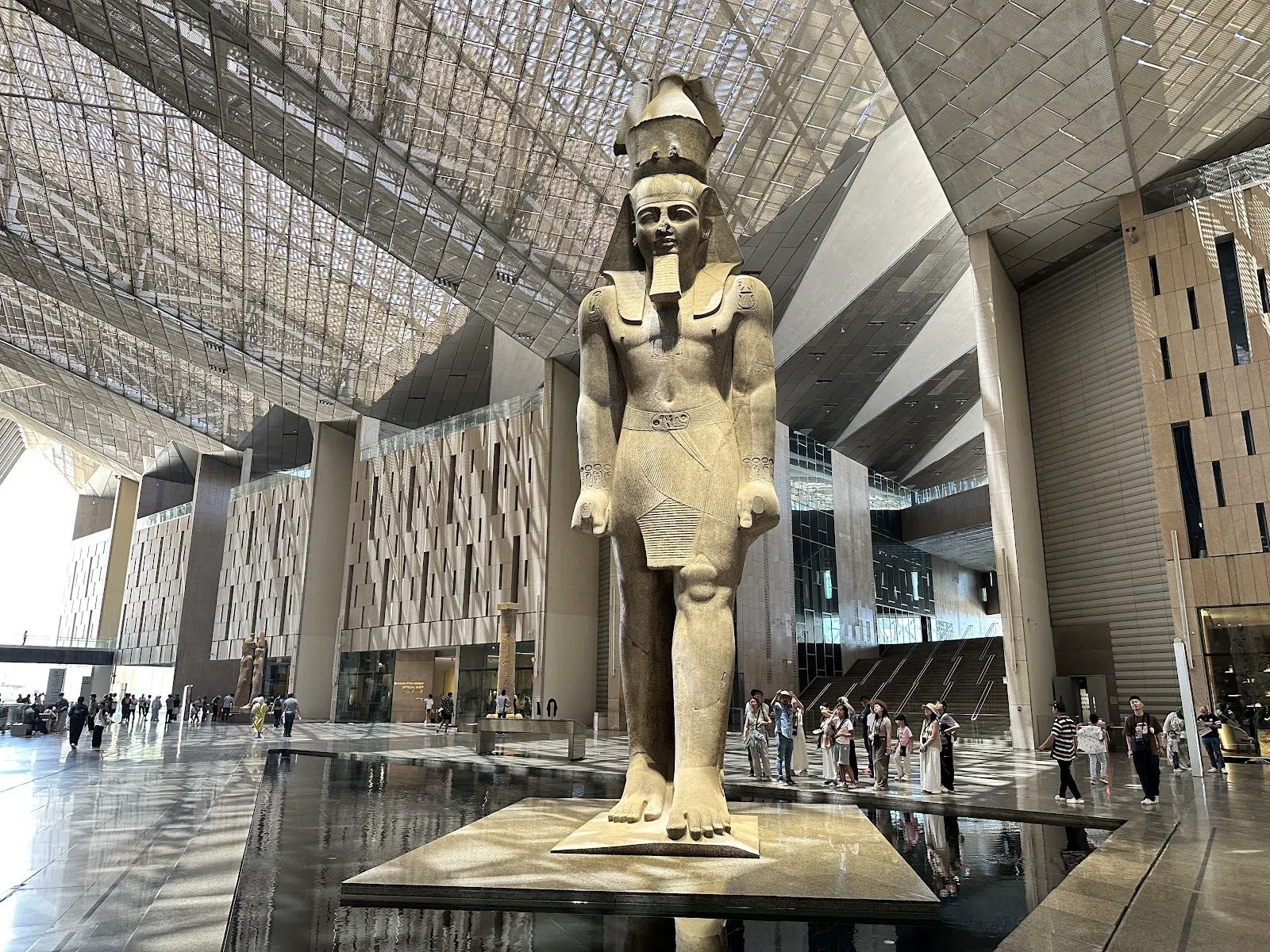
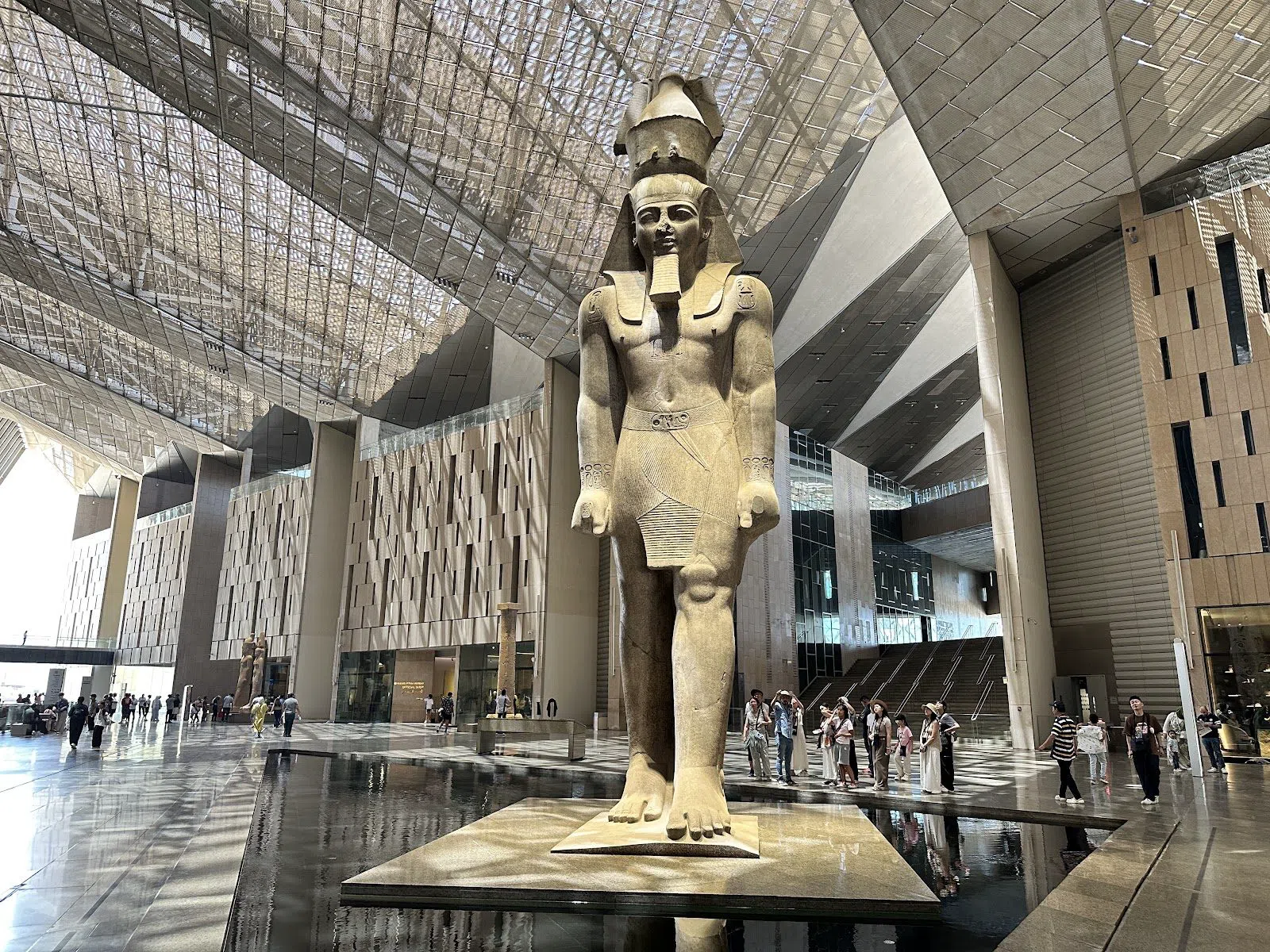
Start with the Grand Egyptian Museum (GEM) in Giza, a short drive north of the plateau. It was fully inaugurated on 1 November 2025 and holds the complete Tutankhamun treasure, which is why a first Cairo trip now needs more time than it did five years ago. Entry works on timed two-hour slots booked online in advance, and booking has been mandatory since December 2025. An unbooked walk-up is the classic day-one mistake, and it wrecks the rest of the day, because the plateau timings all hang off the museum slot. Adult admission is around 1,450 EGP (about $30), with a reduced rate near 730 EGP for students aged 13 to 25 and children 6 to 12, and free entry under six. Two hours is the slot, but the grand staircase and the Tutankhamun galleries will absorb three if you let them, so take an early slot and plan for the extra hour.
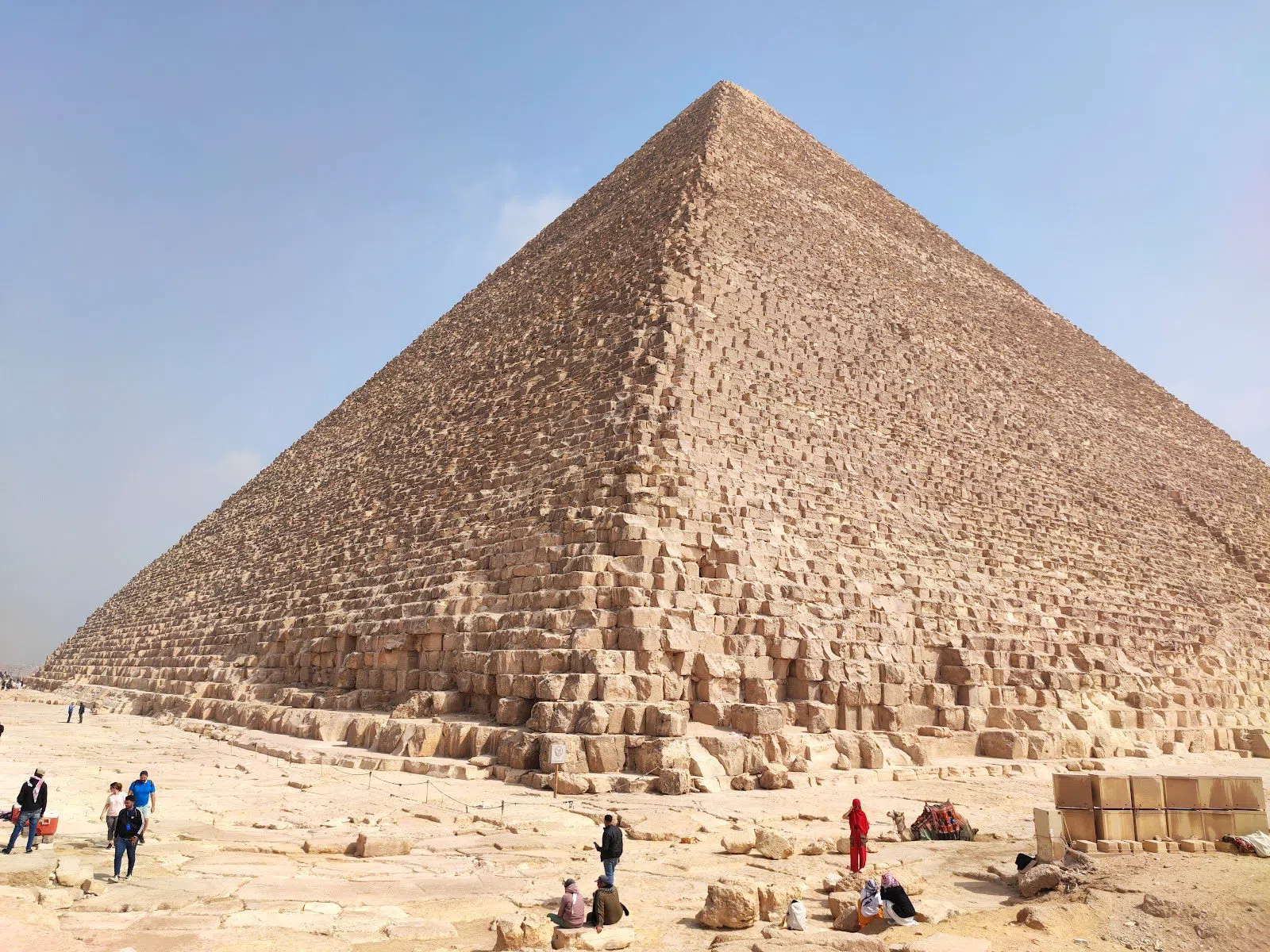
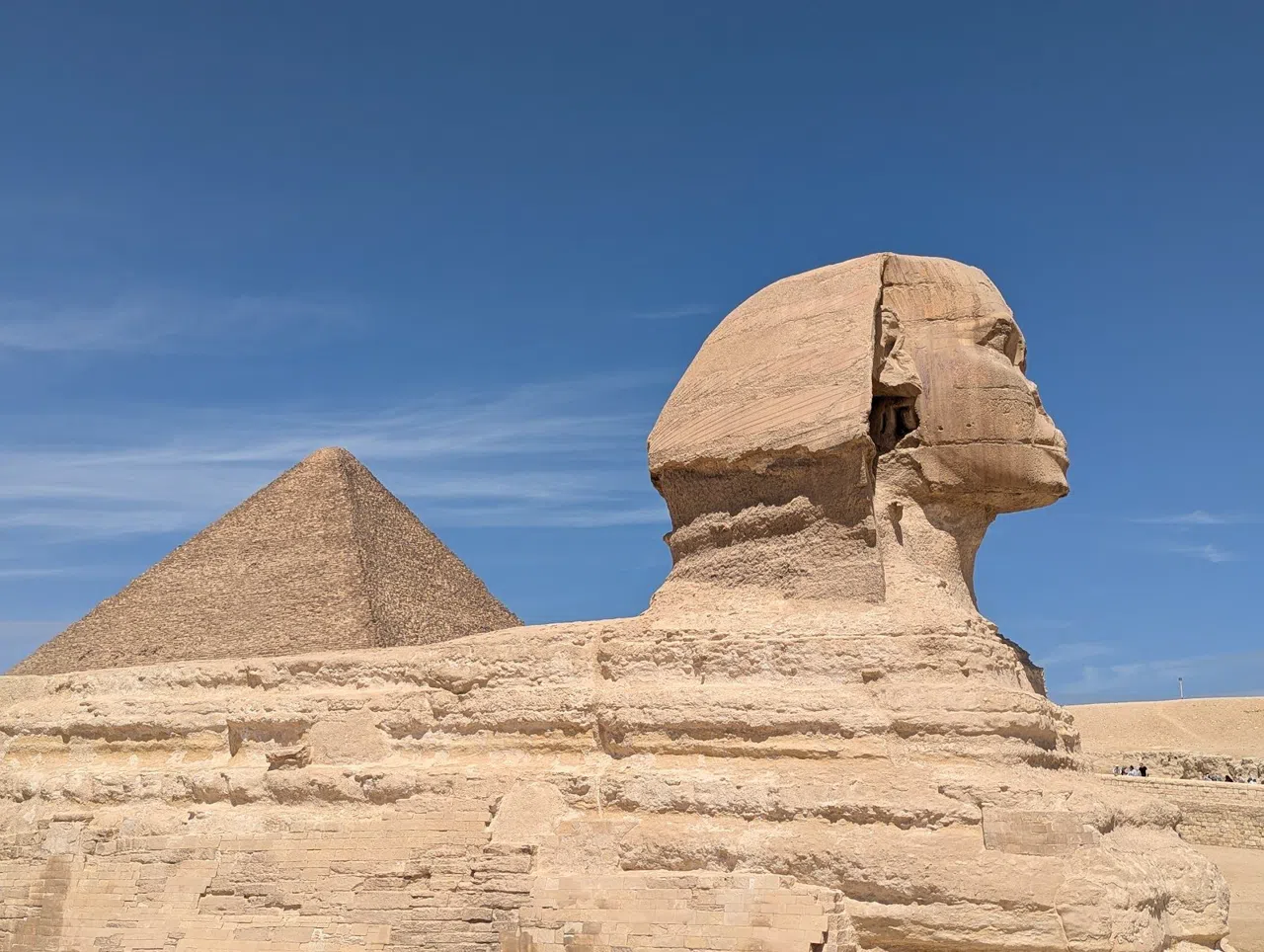
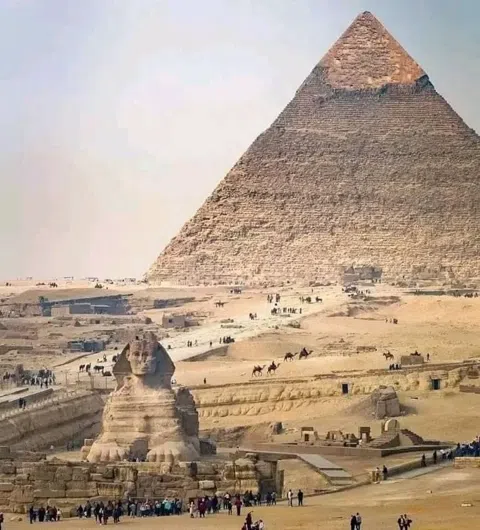
The Giza Pyramid Complex, the Great Pyramid of Khufu and the Sphinx on the desert edge west of the city, now works completely differently from the way older guidance describes it. The main entrance has moved from the old Mena House gate to the new Great Gate visitor centre on the highway along the south side, private cars are banned inside, and a free electric hop-on-hop-off shuttle is included with admission. There are self-service ticket machines at the gate and a central bus terminal built for coach arrivals. Anyone following pre-2025 directions will be dropped at the wrong gate. Admission is 700 EGP for adults and 350 EGP for students; entering the interior chambers costs extra on top, and the interiors are hot, steep, low and airless. Worth doing once if confined spaces do not bother you, and easy to skip if they do.
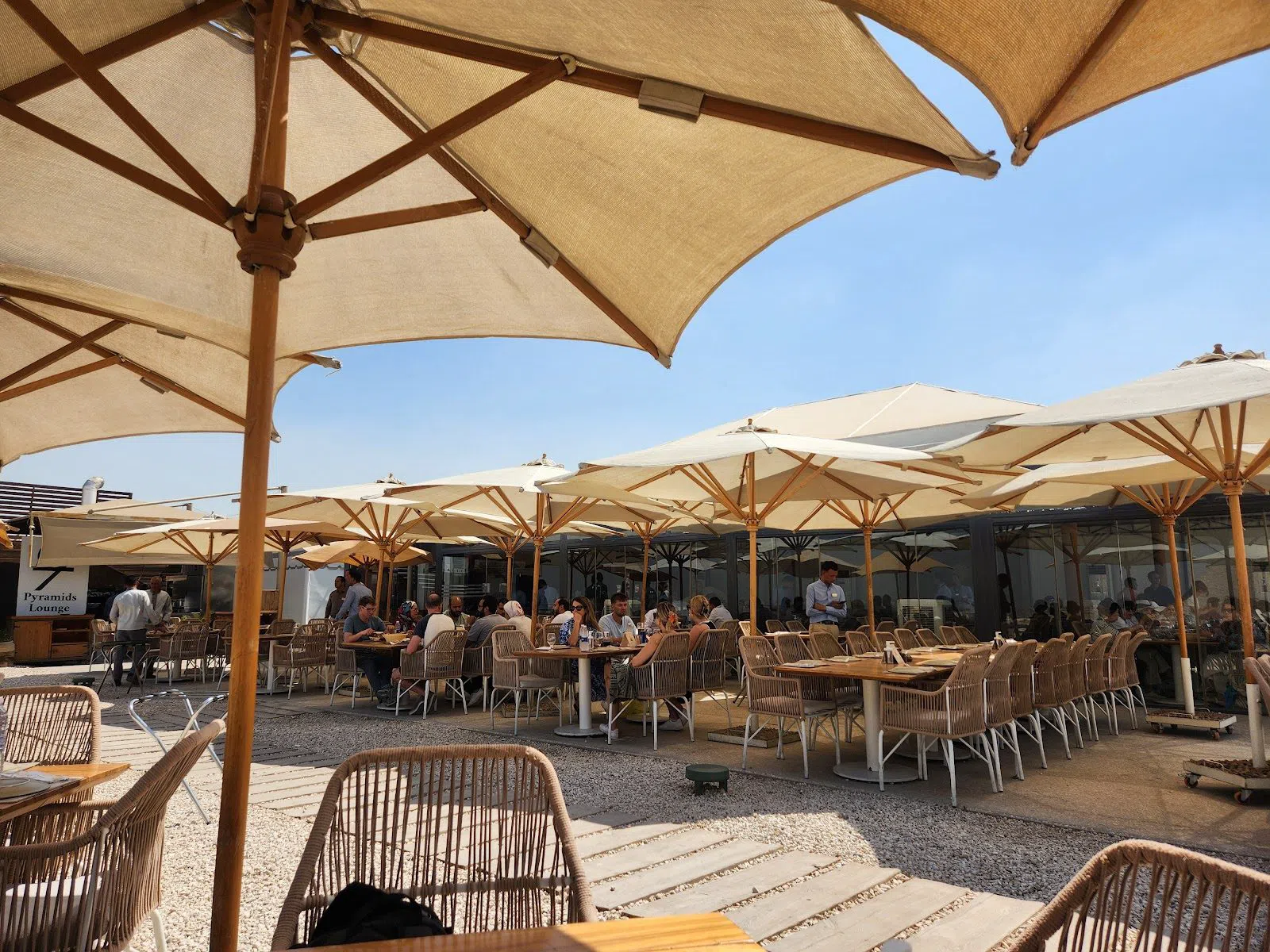
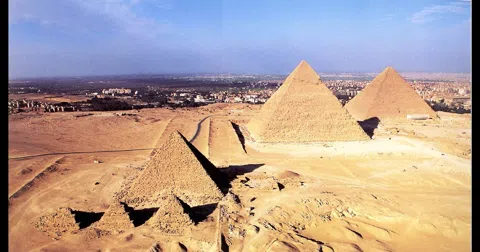
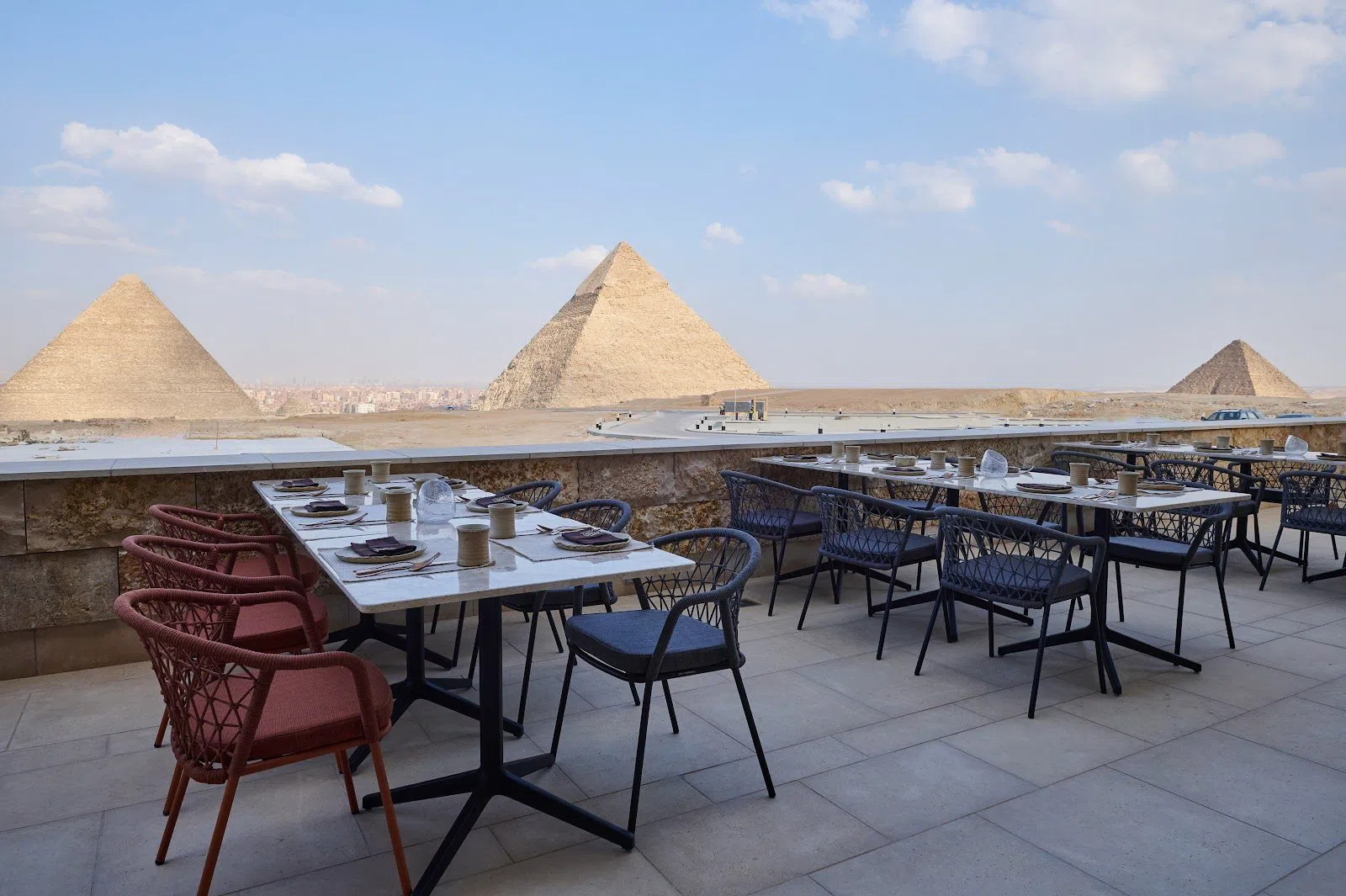
The shuttle changes the pace of the plateau more than anything else. Ride out to the panorama point, walk back downhill in stages, and use 9 Pyramids Lounge on the plateau itself as the mid-visit stop. It is the only place inside the site where you can sit down and see all nine pyramids at once, so it works as a pacing tool rather than a view with a menu attached. Reserve by phone; it is the standard lunch stop on half-day pyramid tours, prices are mid-range, and it opens 9am to 5pm only, so lunch, never dinner.
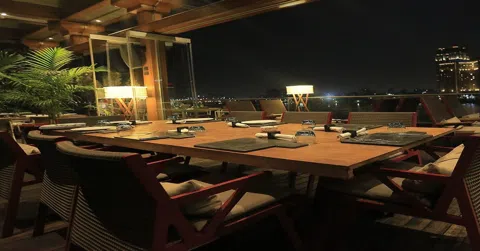
Evening belongs to Khufu's, the fine-dining room beside the plateau. It was named the best restaurant in the Middle East and North Africa in 2026, and chef Mostafa Seif's New Egyptian cooking is the one meal worth building a whole evening around. Book well ahead, because this table does not appear on the day, and let the reservation keep the rest of day one unhurried instead of cramming in a second site. Private and large-table arrangements exist, so it handles a group of six or eight cleanly, though the room suits a slow two-person dinner better than a coach party.
Day two along the older river bank
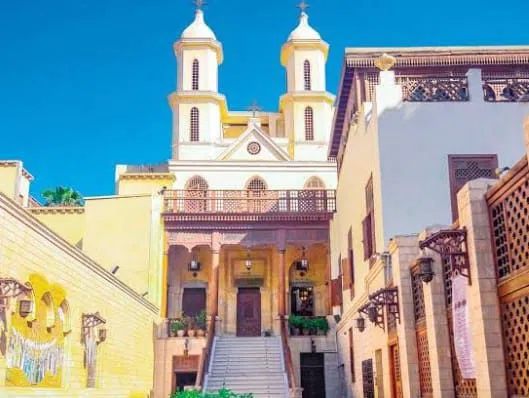
Begin in Coptic Cairo, the compact quarter at Mar Girgis on Metro Line 1, about twenty minutes from Downtown. The Hanging Church, Saint Virgin Mary's Coptic Orthodox Church in Coptic Cairo, is the anchor: entry is free, it is an active place of worship, and shoulders and knees should be covered. Opening is roughly 09:00 to 16:00. Go between 9 and 11am, before the coaches arrive, and check the calendar around major Coptic feasts, when the church is full for the right reasons. Ben Ezra Synagogue and the Coptic Museum are both minutes away on foot, and the whole quarter is a ninety-minute walk rather than a single stop.
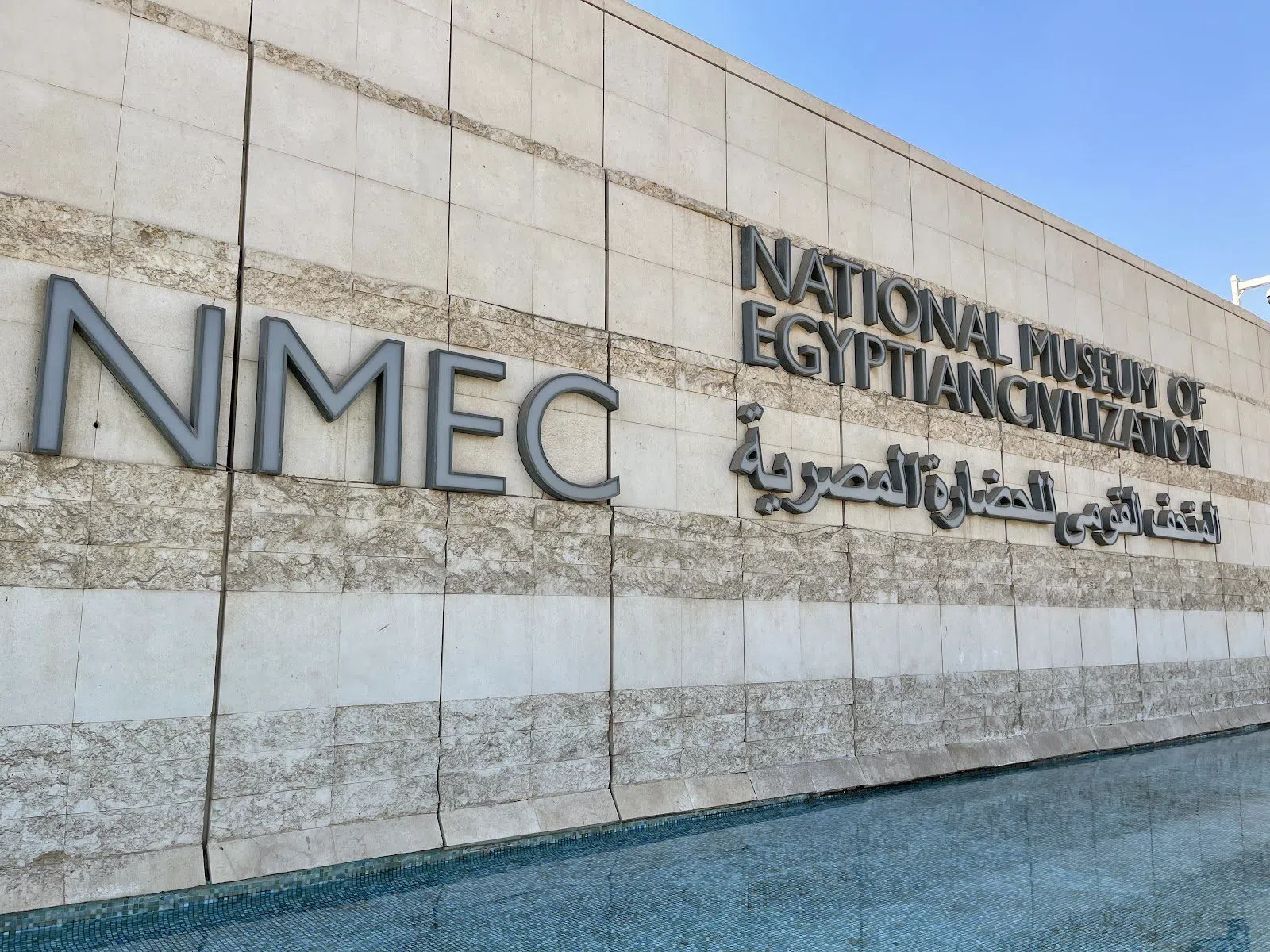
From there it is a short drive to the National Museum of Egyptian Civilization (NMEC) in Fustat, which is where the royal mummies are: not the Tahrir museum and not the new museum in Giza. They are displayed one to a case in a deliberately hushed underground hall, and the effect is closer to a crypt than a gallery. Tickets are straightforward at the main gate with no timed-slot system, prices are moderate, and one ticket covers the main galleries plus the Royal Mummies Hall. Two to three hours is the honest figure. On Friday it stays open until 9pm, which helps if the morning ran long.
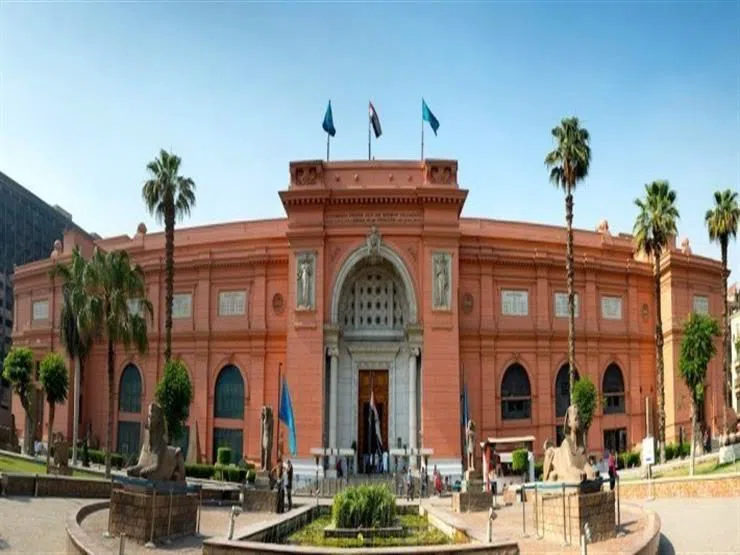
If you still have appetite for objects, The Egyptian Museum, Tahrir Square sits in the middle of Downtown and takes walk-up tickets with no advance booking. The ministry confirmed in January 2026 that it stays open at least until 2030, with phased renovation planned across 2027 to 2029 and no total closure. The Narmer Palette and the Tanis gold are still here, and its crowded, hand-labelled, old-world atmosphere is the deliberate counterweight to the polish of the new museum. Ninety minutes is plenty. If day two is already full, move this one rather than rushing it: Sadat station is directly outside, so it slots into any spare half-day.
An evening walk through the medieval city
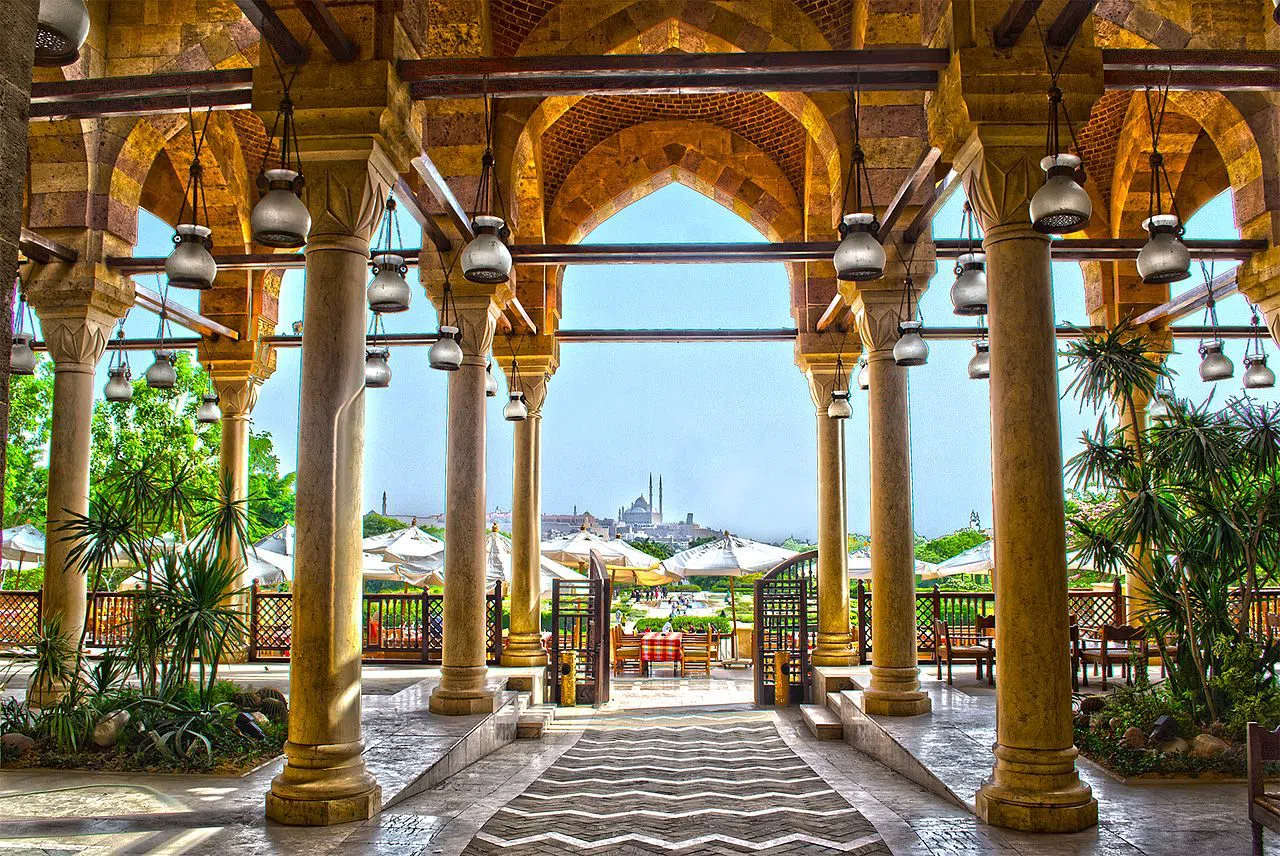
Start high. Al-Azhar Park, on the ridge above al-Darb al-Ahmar, was built by the Aga Khan Trust on a 500-year-old rubble mound and is still the only large green space in the old city. Entry is 50 EGP for foreign visitors and free for children under six, and it opens 09:00 to 23:00 with last entry at 22:00, one of the few Cairo sights that works late. The Citadel View Restaurant on the terrace has mains at 250 to 500 EGP and needs a reservation for sunset; the Lakeside Café is the cheap version of the same view.
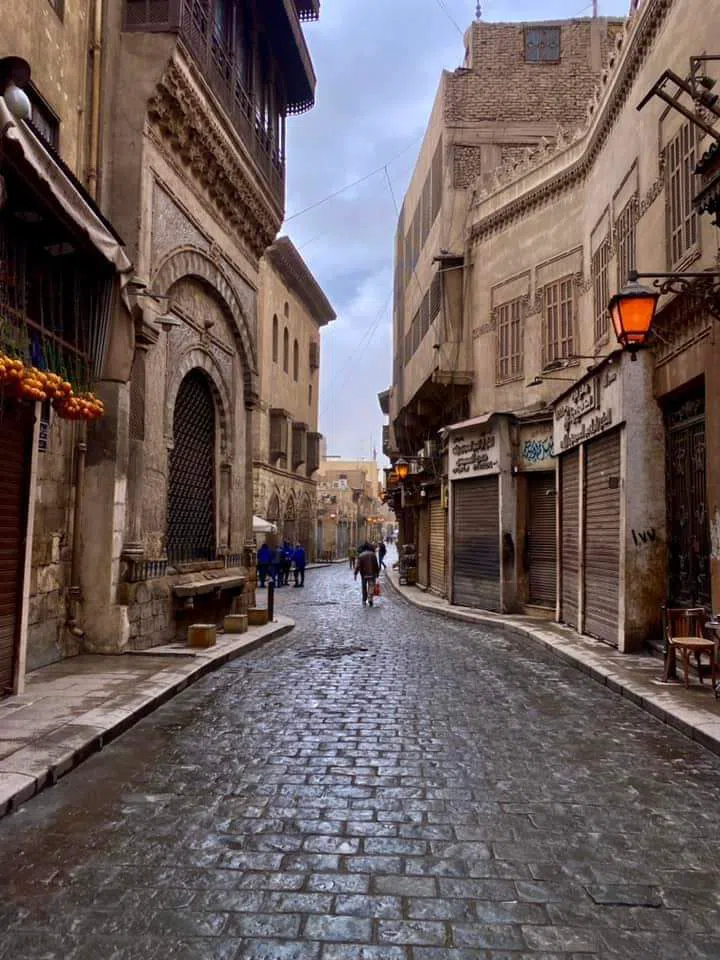
Walk down off the ridge into Al-Muizz Street in Gamaliya, pedestrianised and restored since 1997 into the densest concentration of Islamic architecture anywhere. It is free to walk, with small separate tickets for individual monuments, and it is at its best after sunset, when the facades are lit and the stonework reads properly. Halfway along, duck into Bayt Al-Suhaymi, the great courtyard house of 1648, before the street empties into the bazaar. Guided walking tours are the standard way to do this stretch, and a good guide earns their fee here more than anywhere else in Cairo, because the buildings are stacked three centuries deep and almost none of them are labelled.
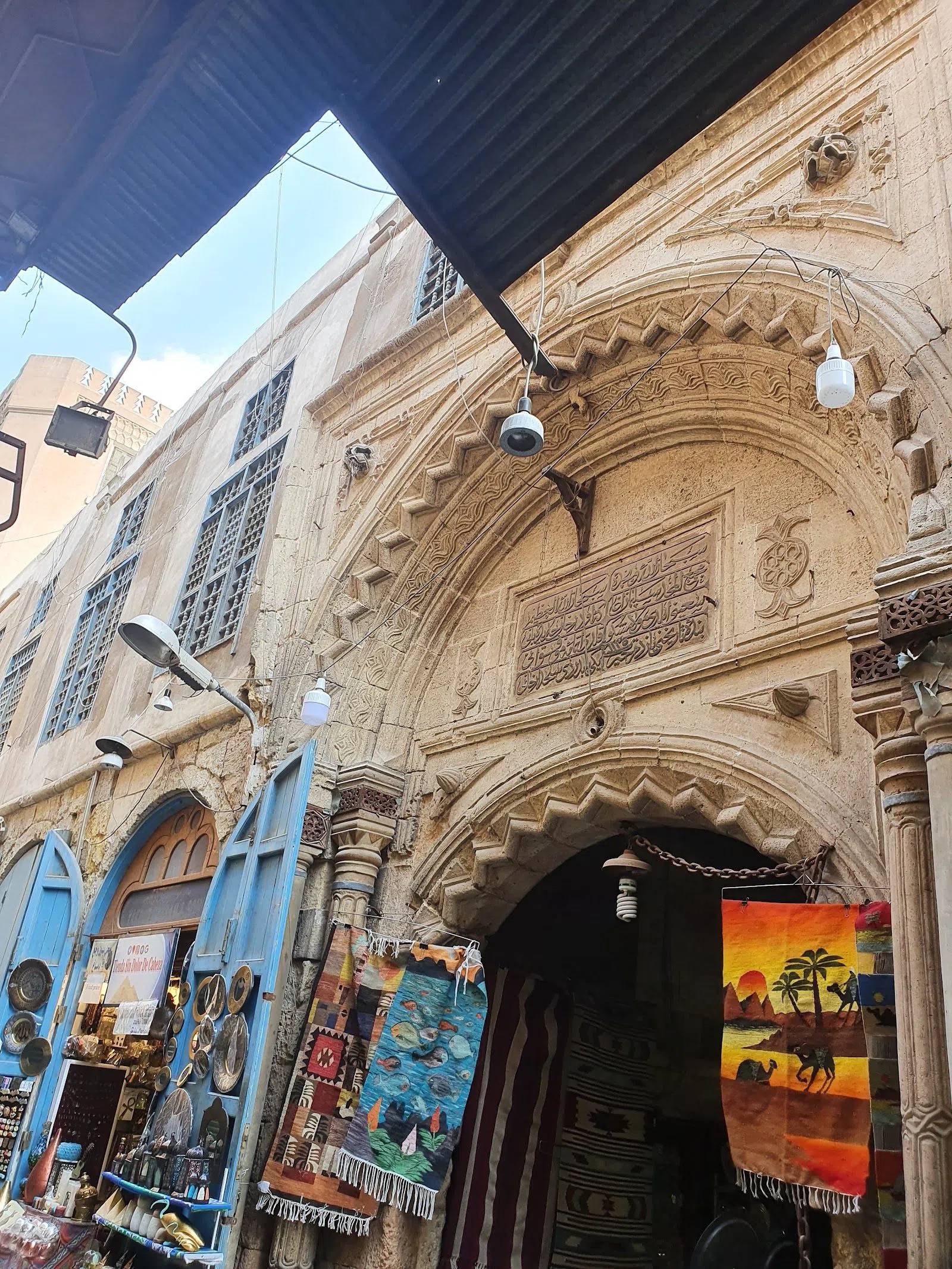
The street delivers you into Khan el-Khalili in Gamaliya, the 14th-century souk. It is open-access with no door policy, free to enter, and haggling is expected. Take it as an evening wander and it earns its place; take it as a list of purchases and it will grind you down. Groups should agree a meeting point before entering, because the lanes are narrow and parties of more than four lose each other within minutes.
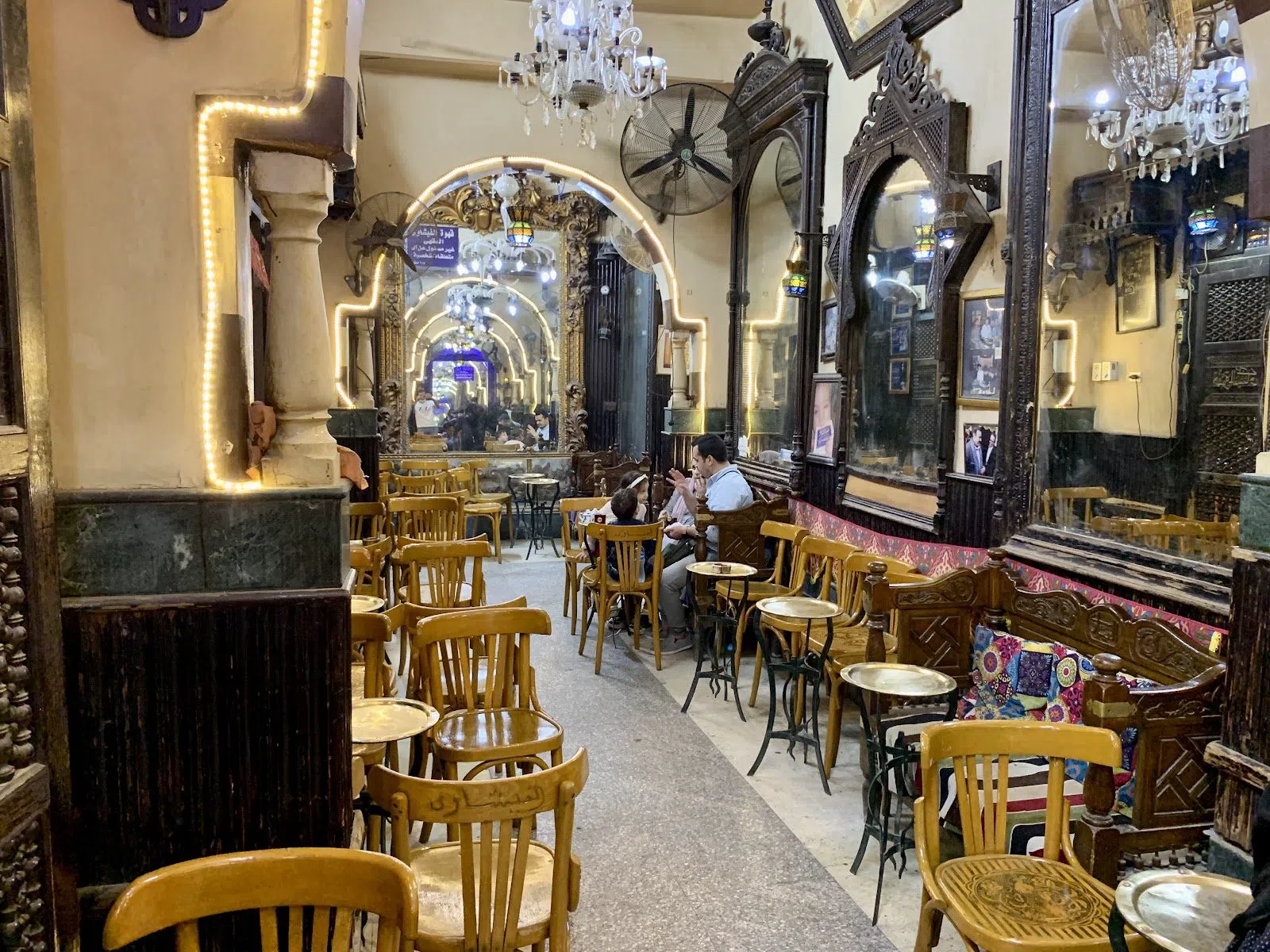
Stop at El Fishawy Café, wedged in an alley just off the bazaar. It has been trading since 1797 under the same family across at least seven generations. Walk-in only, cash, cheap, and the tables are tiny: a group of six will be split across three of them, which is normal. Order mint tea, accept that it is touristy, and let the sit-down be the point instead of an interruption.
For dinner afterwards, Abou El Sid in Zamalek is the classic sit-down Egyptian meal, molokhiya and stuffed pigeon done properly in a dim salon that stays open late, which matters on a night that ends with a walk down Al-Muizz. Reservations are essential in the evening and the bill runs 400 to 650 EGP per person.
Day three at Saqqara and the Citadel
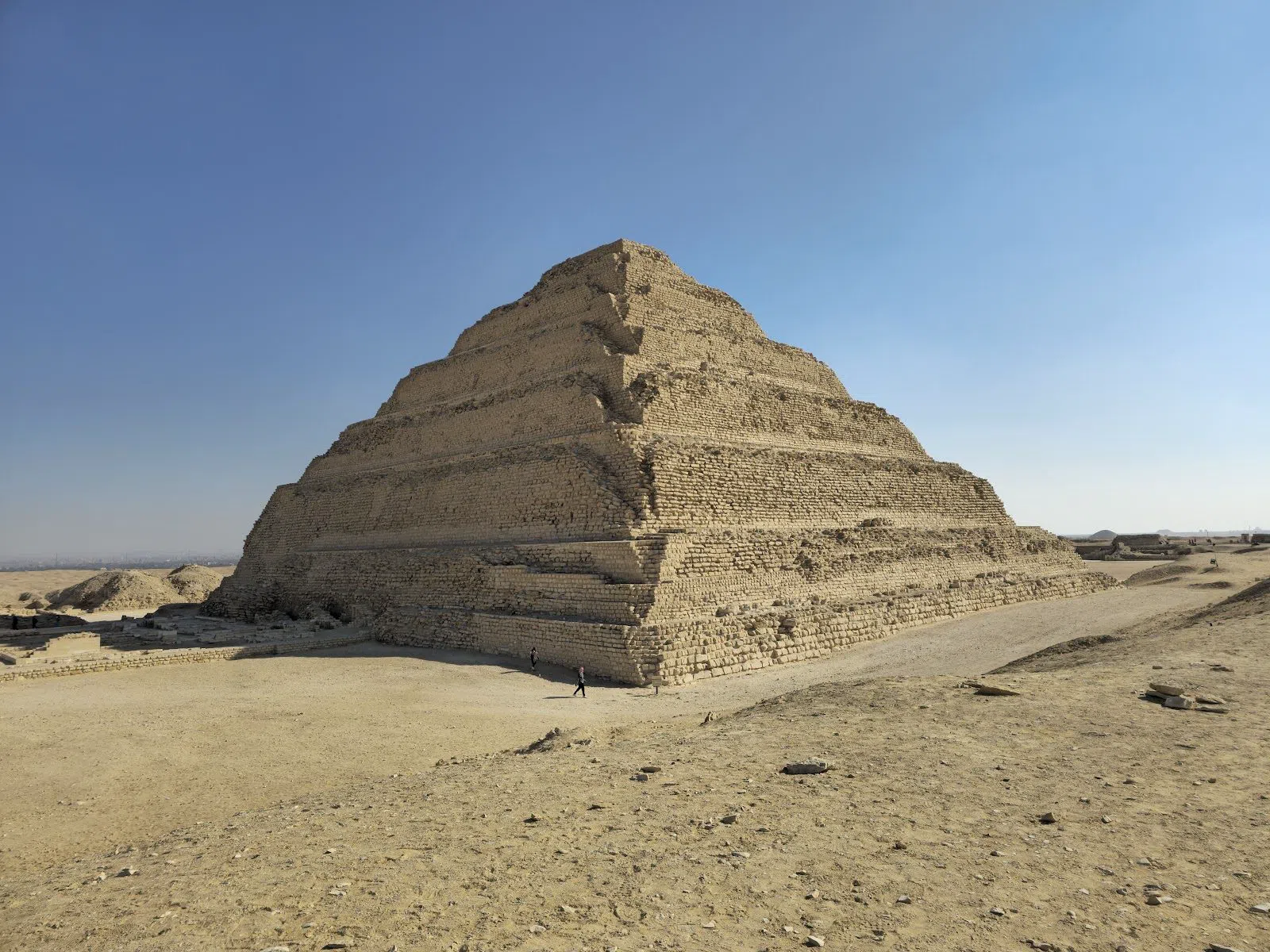
Saqqara Necropolis lies about thirty kilometres south of the centre, an hour's drive outside peak traffic, and it is the best answer to a third day that would otherwise repeat the plateau. The Step Pyramid of Djoser is the oldest large-scale stone building on earth, and the site is so large it rarely feels crowded even with coaches on the approach road. Around 650 EGP covers the Djoser complex, the Pyramid of Unas, the Imhotep Museum and selected mastabas; the Serapeum is a supplement of about 240 EGP and is worth it for the scale of the granite sarcophagi. Start at the small Imhotep Museum on the way in, because twenty minutes there makes the rest of the site legible. Go in the morning; there is almost no shade.
Come back for the Citadel of Salah al-Din above the old city, where one ticket covers three mosques and three museums inside the walls, including the Mosque of Muhammad Ali. Expect roughly 450 to 550 EGP for foreign visitors, and note that the gate takes cards only, so arriving with nothing but cash is a real problem. The grounds open 08:00 to 17:00 and the mosque 09:00 to 17:00, closed to visitors during the five prayer times and at Friday midday. It gives you the highest, easiest city-wide view in old Cairo, and the fortress is large enough to wander at your own speed.
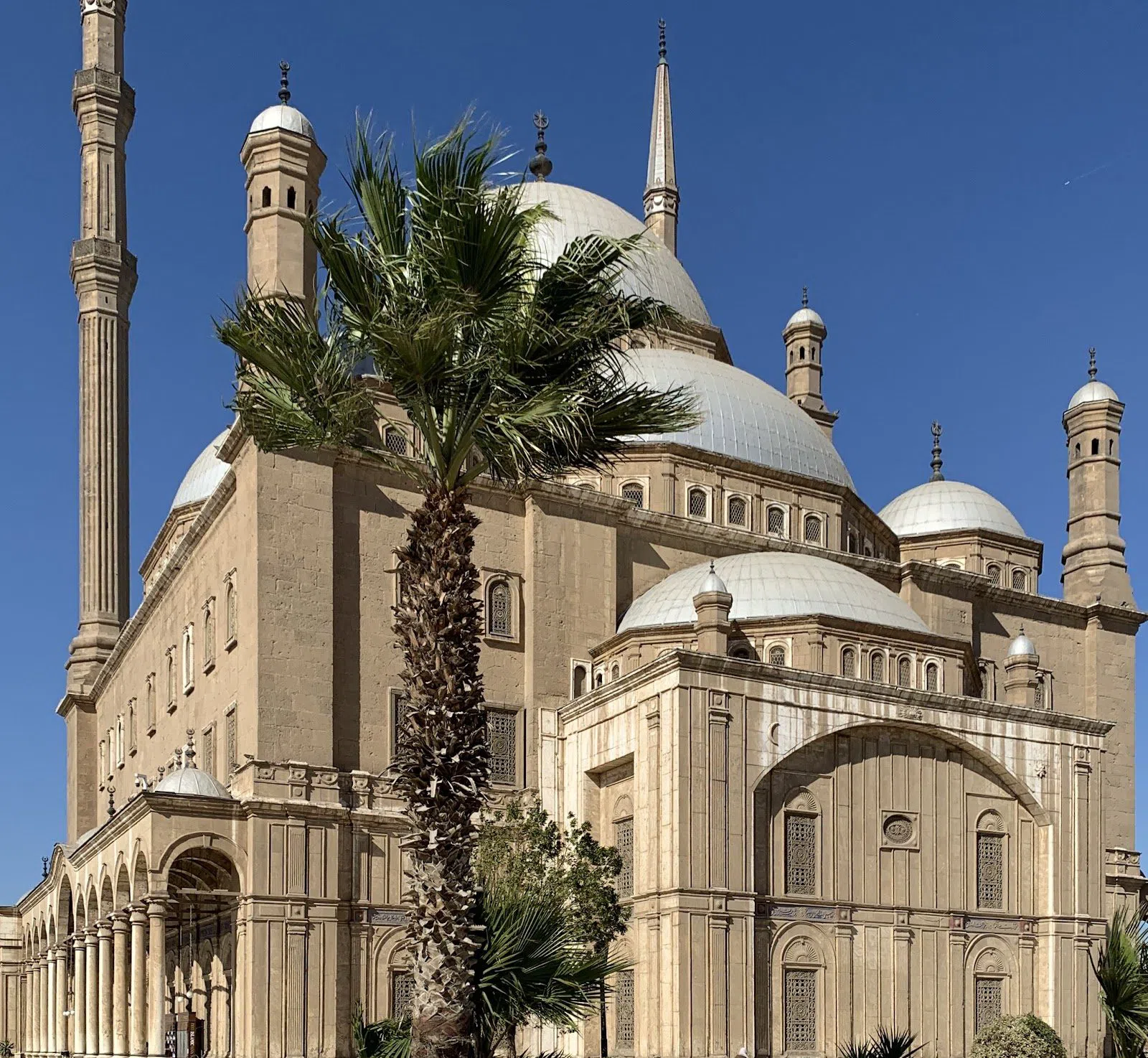
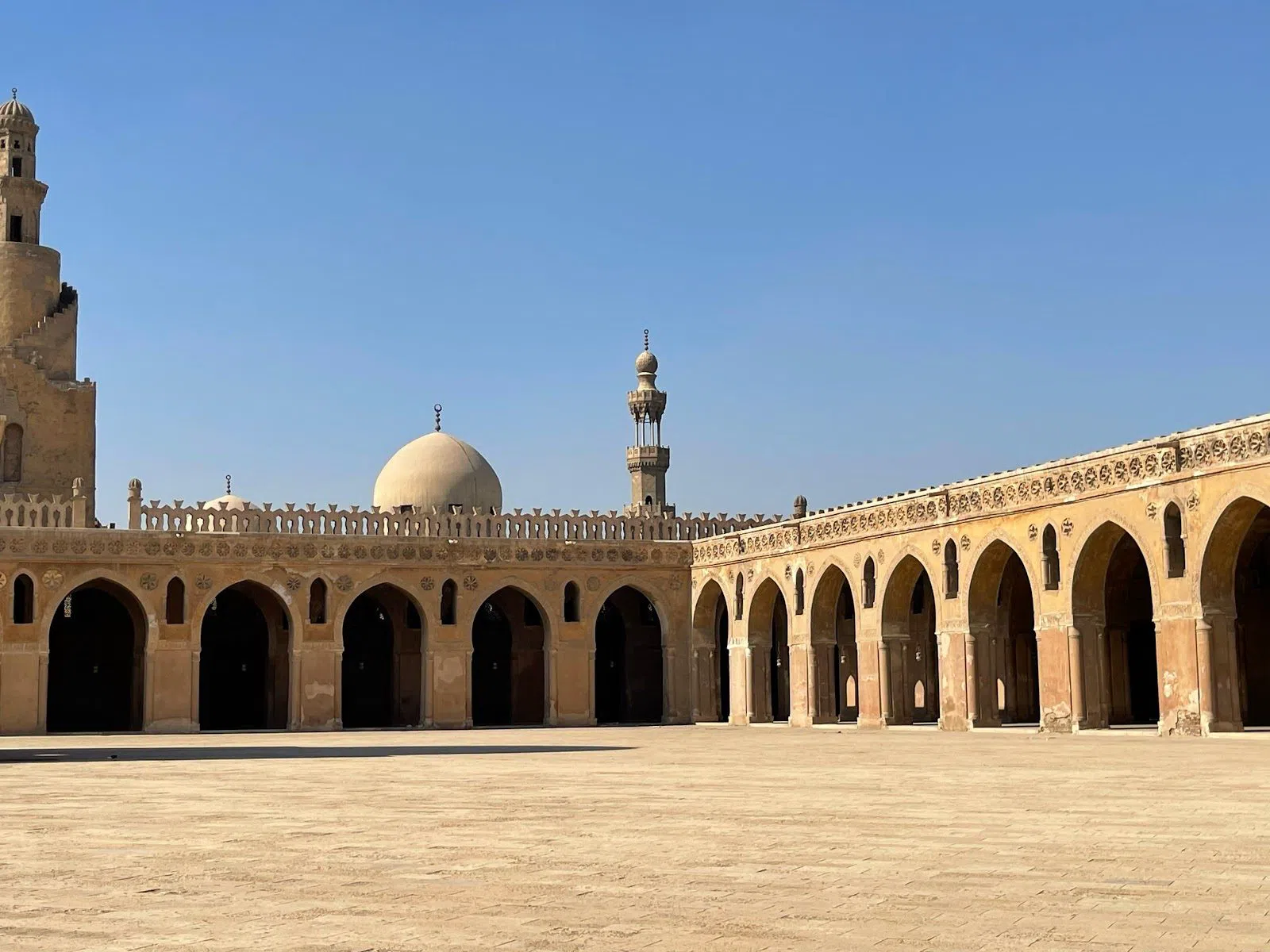
Finish downhill at the Mosque of Ibn Tulun in Sayyida Zeinab, about a twenty-minute walk from the Citadel. Built between 876 and 879 AD, it is Cairo's oldest and largest mosque and by some distance the calmest large space in the city, a vast brick courtyard where the noise simply stops. Entry is free with a donation requested, dress modestly and remove your shoes, and it opens 09:00 to 16:00 outside prayer times. Climb the external spiral minaret for the rooftop view over the old city. The Gayer-Anderson Museum, two restored merchant houses of the 16th and 17th centuries, shares the mosque wall if you want to make a full afternoon of it.
Eating between the sights
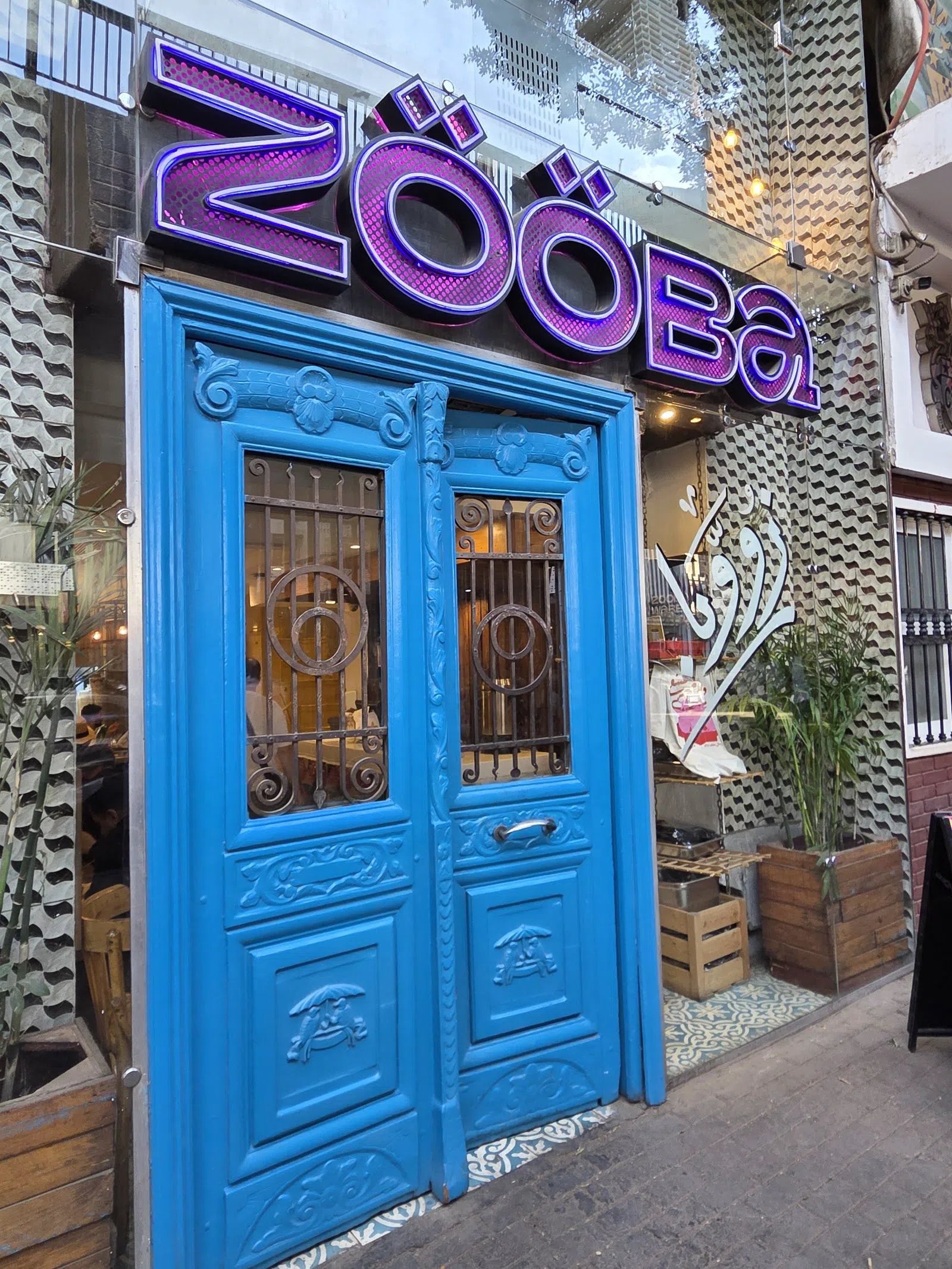
Lunch is where itineraries come apart, because the good sit-down places are all in the evening. Zooba, the counter-service Egyptian street-food group with branches in Zamalek, Maadi and Heliopolis, solves it: walk-in, fast, cheap, ranked on MENA's 50 Best 2026, and the most reliable first encounter with koshari and taameya. The Zamalek branch on 26 July Street is the one to use between sights. It handles a group without a booking, which none of the evening restaurants will.
Groups, couples and door policies
Nothing here has a door policy in the nightlife sense, but the practical constraints differ. Coaches and licensed guides are standard at the new museum, the plateau, Saqqara and the Citadel, and all four are built for that volume. The bazaar and El Fishawy are open-access but physically tight, so small parties only in practice. Khufu's and Abou El Sid both need reservations days ahead and both can arrange large tables if you ask when you book, not when you arrive. 9 Pyramids Lounge takes bookings by phone rather than online. Al-Azhar Park has space for any size of group and the fewest rules of anything here.
Practical notes
Transport. Ride-hailing apps work well across the city and are the default for museum-to-museum hops; agree fares in advance with street taxis if you use them at all. The metro is fast, cheap and useful for two stops on this plan: Mar Girgis for Coptic Cairo and Sadat for Tahrir. Private cars cannot enter the pyramid plateau, so you will arrive at the Great Gate and use the included electric shuttle inside. Allow an hour each way to Saqqara and forty-five to sixty minutes between the Giza side and the eastern bank outside peak hours; between 3pm and 7pm, add half again.
Cash and cards. Carry Egyptian pounds for taxis, tips, the bazaar and El Fishawy. Cards are widely accepted at the major museums and restaurants, and the Citadel gate is card-only. Keep small notes for the mosque donation boxes and for tipping, which is expected and modest.
Timing. Museums fill from mid-morning; sites are hottest between noon and 3pm. Fridays reshape the day: the Citadel closes to visitors at midday prayer, and the Fustat museum runs to 9pm. Coptic Cairo is best between 9 and 11am, Al-Muizz after dark, the plateau either early or in the last two hours of light.
Budget. Admissions alone for the three days run roughly 3,400 to 4,000 EGP per adult, before any pyramid interior or the Serapeum supplement. Add a cheap lunch at around 150 to 250 EGP, a mid-range one nearer 400 to 600 EGP, and a proper Egyptian dinner at 400 to 650 EGP a head. A guide for the medieval streets or Saqqara is the one discretionary spend that reliably improves the trip.
For more on districts, seasons and what to add if you have a fourth day, see the full Cairo guide.
Before you go
Is three days enough for Cairo?
Yes, for a first visit, if you keep to one anchor sight per day. Three days covers the Grand Egyptian Museum and the Giza plateau, Coptic Cairo with the royal mummies at NMEC and an evening in the medieval streets, and Saqqara with the Citadel and Ibn Tulun. It does not leave room for a second museum day or a day trip out of the city; adding either turns three days into a forced march.
Do I need to book the Grand Egyptian Museum in advance?
Yes. Booking has been mandatory since December 2025 and entry runs on timed two-hour slots bought online. Turning up without one is the most common day-one mistake. Adult tickets are around 1,450 EGP, with a reduced rate near 730 EGP for students aged 13 to 25 and children 6 to 12, and free entry under six.
Where are the royal mummies displayed?
At the National Museum of Egyptian Civilization in Fustat, not at the Grand Egyptian Museum and not at the Tahrir Square museum. One ticket covers the main galleries plus the Royal Mummies Hall, where each mummy sits in its own case in a hushed underground room. Allow two to three hours; on Fridays it stays open until 9pm.
Has the entrance to the pyramids changed?
Yes. The main entrance moved to the new Great Gate visitor centre on the south side, with self-service ticket machines and a coach terminal. Private cars are banned inside the site, and a free electric hop-on-hop-off shuttle comes with admission, which is 700 EGP for adults and 350 EGP for students, with separate supplements to enter pyramid interiors. Pre-2025 directions send you to the wrong gate.
Is the Egyptian Museum in Tahrir Square still open?
Yes. The ministry confirmed in January 2026 that it remains open at least until 2030, with phased renovation planned for 2027 to 2029 and no total closure. The Narmer Palette and the Tanis gold are still on display, tickets are walk-up with no advance booking, and ninety minutes is enough.